
Explore
Swedish Lapland
Swedish Lapland usually means inland winter travel where snow, low light, forest, and static cold shape the day.
This profile is the quick overview of why people go, what the year changes, and what kind of trip Swedish Lapland usually becomes once you move past the simple version and start planning in detail.
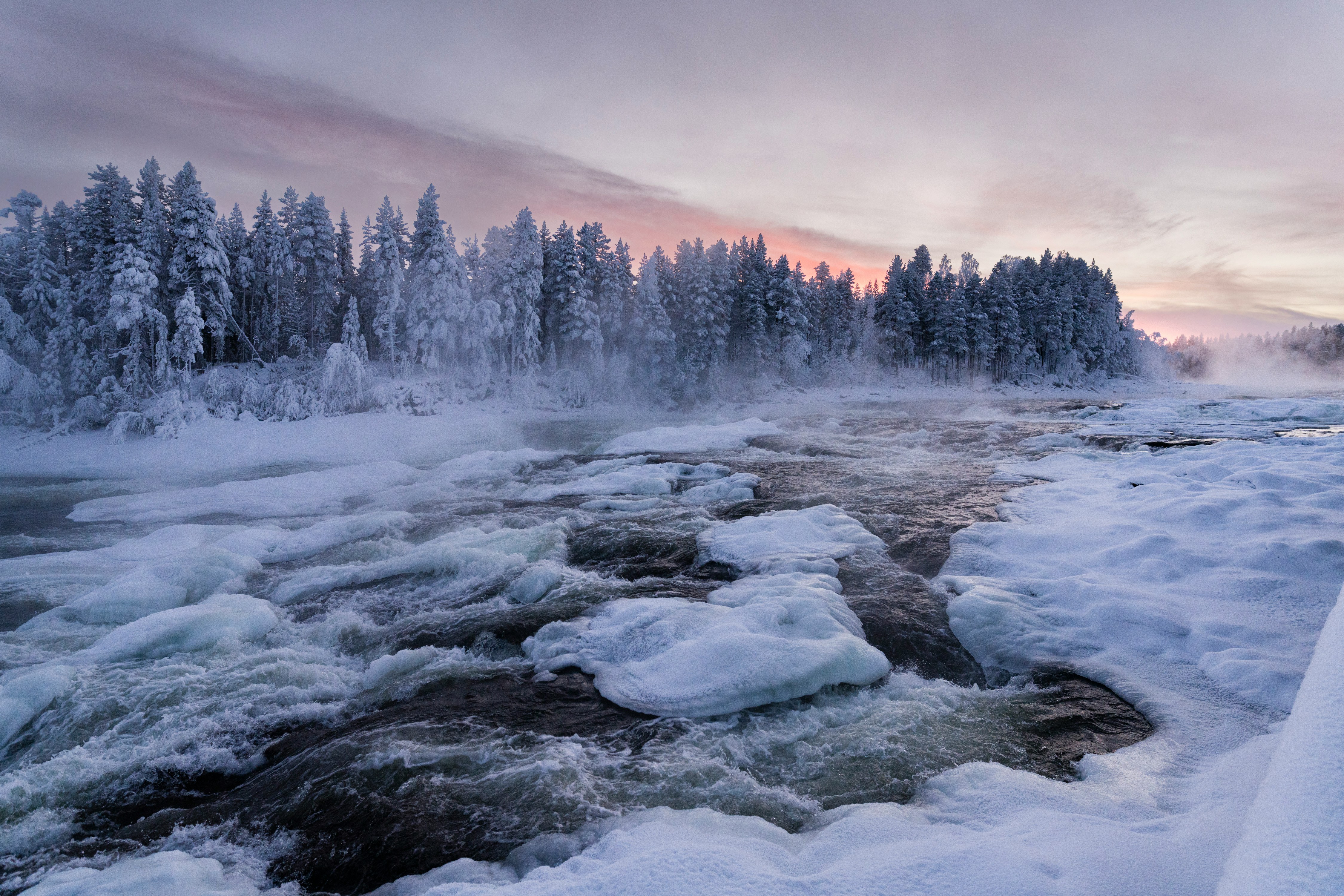
Destination identity
Cold, darkness, snow surface, and stop-heavy observation time become more important than distance.
- - Plan for cold hands, long dark pauses, snow conditions, and the gap between activity and shelter.
- - Prioritise insulation, footwear, face protection, and the length of each static stop.
Common trip types
These are common ways people approach Swedish Lapland. Use them as starting points, not limits.
In the footsteps of explorers
Swedish Lapland carries a quieter Arctic story than Greenland or Svalbard, shaped by forest, tundra, Sámi presence, winter movement, and long northern seasons. It is less about heroic threshold drama and more about learning how life and travel adapt to cold, light, and landscape.
That is why Swedish Lapland still works best when winter rhythm, light, exposure, and the split between sheltered and fully open days stay in view.
Read the full Swedish Lapland storyYear and seasonality context
This is the broad year overview for Swedish Lapland. Use it to see when the place becomes easier, when it becomes more limited, and when it starts asking for a different style of trip.
Select a season to preview that part of the year. The season will carry into the guide or planner when you move on.